



A case study in PDF forensics: The Epstein PDFs
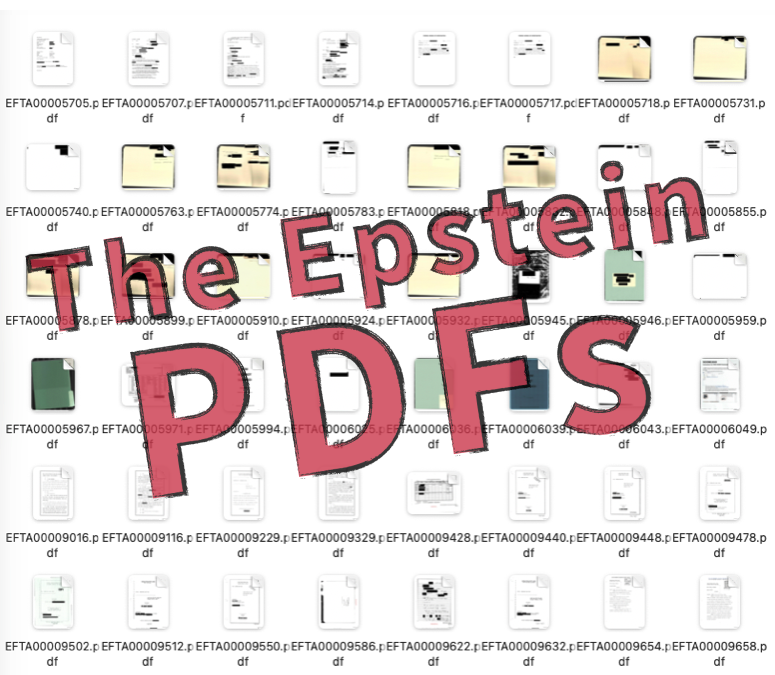
This article details a PDF forensics case study on a small, random selection of the Epstein PDF files released by the US Department of Justice (DoJ). The tranche contains 4,085 PDF files, with an estimated 5,879 remaining unreleased. Key findings include:
- A difference in PDF version reporting between forensic tools.
- The presence of two incremental updates.
- The discovery of a hidden (orphaned) document information dictionary revealing the software used in processing.
- The DoJ avoided JPEG images to prevent metadata leakage.
- Overall, the DoJ’s sanitization workflow could be improved to reduce file size and information leakage.

A case study in PDF forensics: The Epstein PDFs
This article details a PDF forensics case study on a small, random selection of the Epstein PDF files released by the US Department of Justice (DoJ). The tranche contains 4,085 PDF files, with an estimated 5,879 remaining unreleased. Key findings include:
- A difference in PDF version reporting between forensic tools.
- The presence of two incremental updates.
- The discovery of a hidden (orphaned) document information dictionary revealing the software used in processing.
- The DoJ avoided JPEG images to prevent metadata leakage.
- Overall, the DoJ’s sanitization workflow could be improved to reduce file size and information leakage.
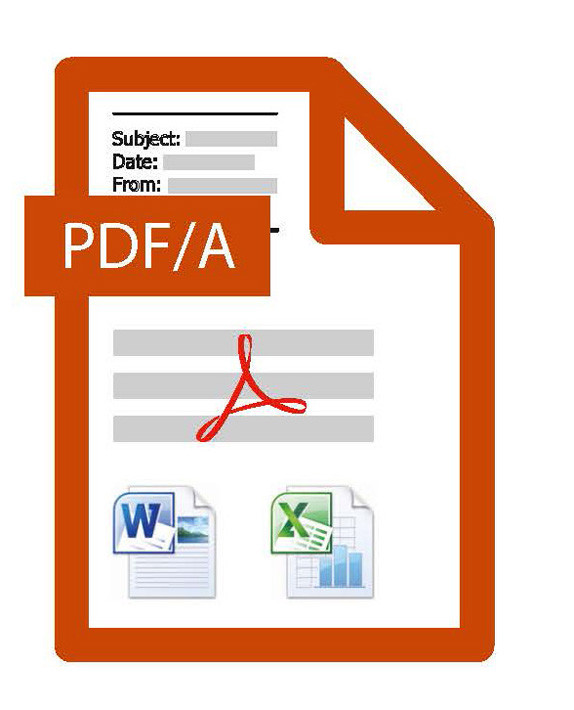
Email archiving with PDF/A
The main challenge when archiving emails is the absolute menagerie of different file formats a business has to deal with.


January 2015 by Output Management for SAP and PDF/A

SAPs product range includes a powerful document management system (DMS). Its wide range of structuring options bring order to document-based … Read more