



A case study in PDF forensics: The Epstein PDFs
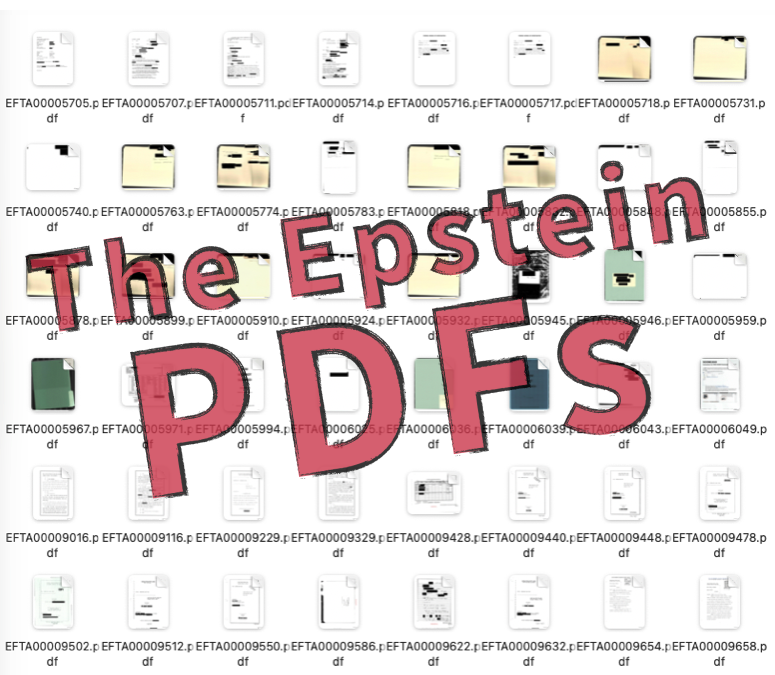
This article details a PDF forensics case study on a small, random selection of the Epstein PDF files released by the US Department of Justice (DoJ). The tranche contains 4,085 PDF files, with an estimated 5,879 remaining unreleased. Key findings include:
- A difference in PDF version reporting between forensic tools.
- The presence of two incremental updates.
- The discovery of a hidden (orphaned) document information dictionary revealing the software used in processing.
- The DoJ avoided JPEG images to prevent metadata leakage.
- Overall, the DoJ’s sanitization workflow could be improved to reduce file size and information leakage.

A case study in PDF forensics: The Epstein PDFs
This article details a PDF forensics case study on a small, random selection of the Epstein PDF files released by the US Department of Justice (DoJ). The tranche contains 4,085 PDF files, with an estimated 5,879 remaining unreleased. Key findings include:
- A difference in PDF version reporting between forensic tools.
- The presence of two incremental updates.
- The discovery of a hidden (orphaned) document information dictionary revealing the software used in processing.
- The DoJ avoided JPEG images to prevent metadata leakage.
- Overall, the DoJ’s sanitization workflow could be improved to reduce file size and information leakage.
How to tag titles in PDF documents
The PDF/UA Technical Working Group released Tagged PDF Best Practice Guide: Syntax – to provide developers and expert users with formal advice and best practices for implementing tagged PDF. The … Read more











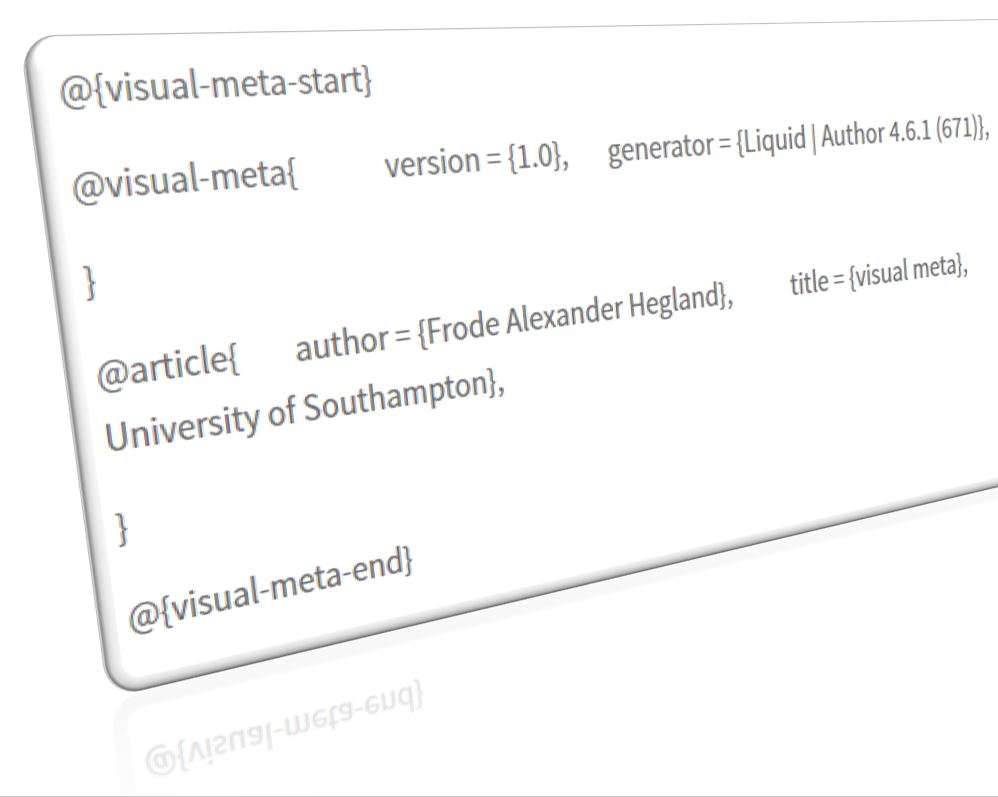
July 2019 by Frode Hegland

The Visual-Meta approach take the metadata out of of the document internals and presents it as an appendix at the … Read more