



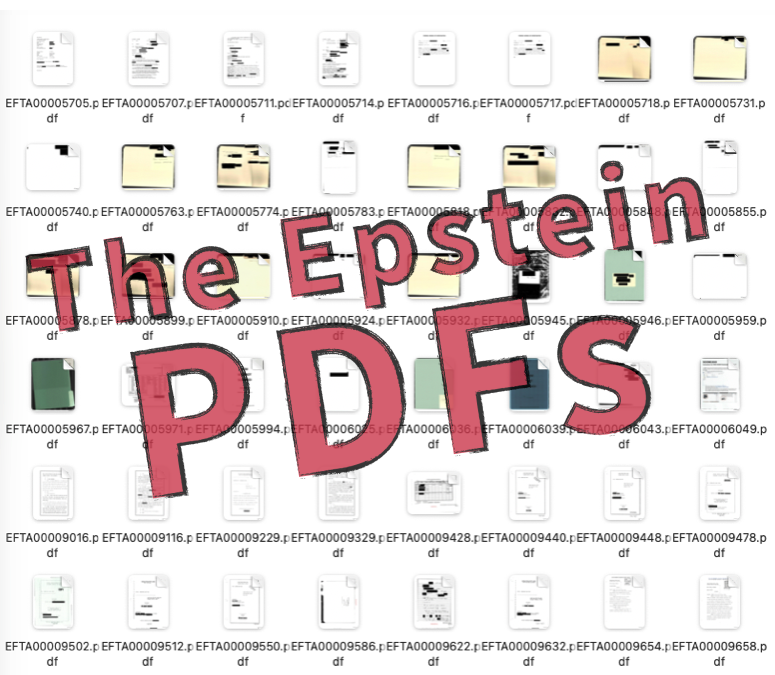
A case study in PDF forensics: The Epstein PDFs
This article details a PDF forensics case study on a small, random selection of the Epstein PDF files released by the US Department of Justice (DoJ). The tranche contains 4,085 PDF files, with an estimated 5,879 remaining unreleased. Key findings include:
- A difference in PDF version reporting between forensic tools.
- The presence of two incremental updates.
- The discovery of a hidden (orphaned) document information dictionary revealing the software used in processing.
- The DoJ avoided JPEG images to prevent metadata leakage.
- Overall, the DoJ’s sanitization workflow could be improved to reduce file size and information leakage.

A case study in PDF forensics: The Epstein PDFs
This article details a PDF forensics case study on a small, random selection of the Epstein PDF files released by the US Department of Justice (DoJ). The tranche contains 4,085 PDF files, with an estimated 5,879 remaining unreleased. Key findings include:
- A difference in PDF version reporting between forensic tools.
- The presence of two incremental updates.
- The discovery of a hidden (orphaned) document information dictionary revealing the software used in processing.
- The DoJ avoided JPEG images to prevent metadata leakage.
- Overall, the DoJ’s sanitization workflow could be improved to reduce file size and information leakage.
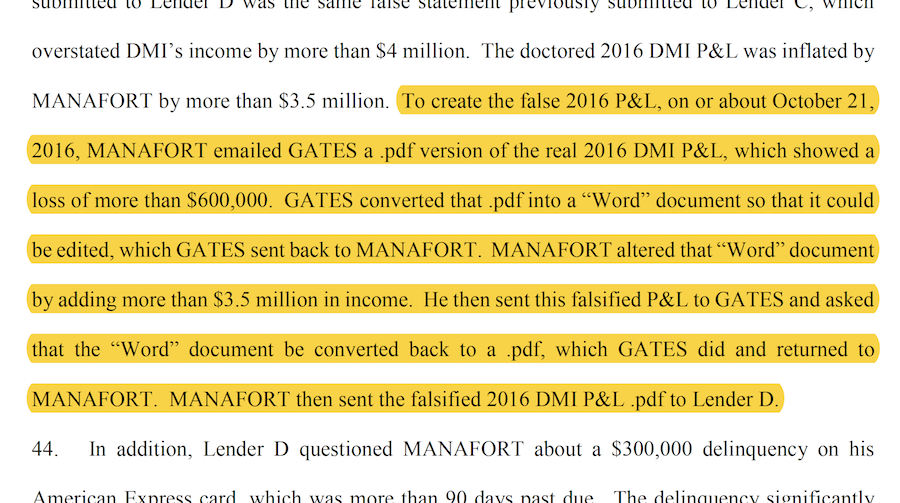
Corruption in PDF: Federal Crimes Edition
Slate magazine reports today that Special Counsel Robert S. Mueller’s recent indictment of Paul J. Manafort and Richard W. Gates reveals that at least part of Manafort’s serious problem stems … Read more








October 2017 by PDF Association staff
Writing in Government Computing News, PDF Executive Director Duff Johnson highlights NARA’s recently-published draft strategic plan and its stated objective … Read more

October 2017 by PDF Association staff
For NARA and (in principle) for all US Federal agencies, paper is officially going obsolete (for records-keeping) in 2022.