



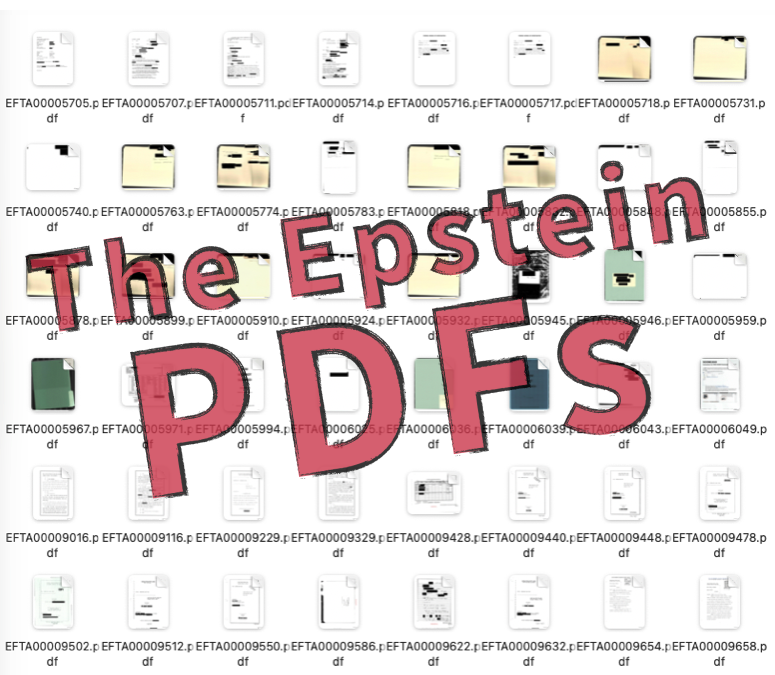
A case study in PDF forensics: The Epstein PDFs
This article details a PDF forensics case study on a small, random selection of the Epstein PDF files released by the US Department of Justice (DoJ). The tranche contains 4,085 PDF files, with an estimated 5,879 remaining unreleased. Key findings include:
- A difference in PDF version reporting between forensic tools.
- The presence of two incremental updates.
- The discovery of a hidden (orphaned) document information dictionary revealing the software used in processing.
- The DoJ avoided JPEG images to prevent metadata leakage.
- Overall, the DoJ’s sanitization workflow could be improved to reduce file size and information leakage.

A case study in PDF forensics: The Epstein PDFs
This article details a PDF forensics case study on a small, random selection of the Epstein PDF files released by the US Department of Justice (DoJ). The tranche contains 4,085 PDF files, with an estimated 5,879 remaining unreleased. Key findings include:
- A difference in PDF version reporting between forensic tools.
- The presence of two incremental updates.
- The discovery of a hidden (orphaned) document information dictionary revealing the software used in processing.
- The DoJ avoided JPEG images to prevent metadata leakage.
- Overall, the DoJ’s sanitization workflow could be improved to reduce file size and information leakage.
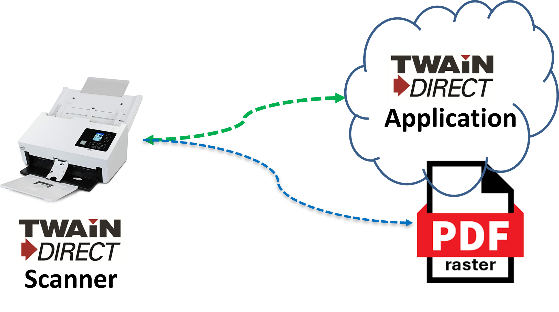
The business value of PDF/Raster (PDF/R) for ISVs
This article explores how ISVs can use PDF/R to improve imaging application software’s efficiency, reduce development complexity, and enhance customer satisfaction.


March 2025 by PDF Association staff

The PDF Association will host a trio of PDF technology events in Berlin from September 11-19. Save the date… and … Read more