



A case study in PDF forensics: The Epstein PDFs
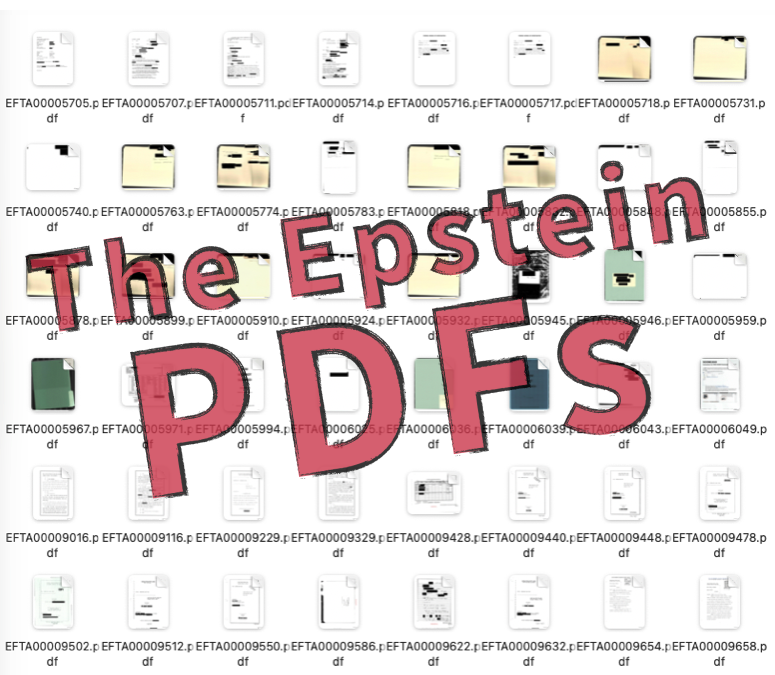
This article details a PDF forensics case study on a small, random selection of the Epstein PDF files released by the US Department of Justice (DoJ). The tranche contains 4,085 PDF files, with an estimated 5,879 remaining unreleased. Key findings include:
- A difference in PDF version reporting between forensic tools.
- The presence of two incremental updates.
- The discovery of a hidden (orphaned) document information dictionary revealing the software used in processing.
- The DoJ avoided JPEG images to prevent metadata leakage.
- Overall, the DoJ’s sanitization workflow could be improved to reduce file size and information leakage.

A case study in PDF forensics: The Epstein PDFs
This article details a PDF forensics case study on a small, random selection of the Epstein PDF files released by the US Department of Justice (DoJ). The tranche contains 4,085 PDF files, with an estimated 5,879 remaining unreleased. Key findings include:
- A difference in PDF version reporting between forensic tools.
- The presence of two incremental updates.
- The discovery of a hidden (orphaned) document information dictionary revealing the software used in processing.
- The DoJ avoided JPEG images to prevent metadata leakage.
- Overall, the DoJ’s sanitization workflow could be improved to reduce file size and information leakage.
Is your company “first-class”?
What do “first class companies” do? Japanese media covers the PDF Association in Tokyo. Firefox adds experimental alt. text generation to PDF. JPMorgan are thinking about layout and semantics in … Read more



May 2024 by PDF Association staff
Microsoft deepens its investment in Tagged PDF. We talked PDF with NISO. Both Android and iOS improve PDF handling. A … Read more


May 2024 by Peter Wyatt

LOGIN REQUIRED: These synthetic files are intended for user experience and human-computer interaction (HCI) specialists to assess the behavior of … Read more