



Accessible math in PDF – finally!
A long-awaited breakthrough has arrived for digital accessibility: complex mathematical equations in PDF files are now fully navigable and readable by assistive technology using MathML.
This development, aligning creation software, modern PDF standards, compatible viewers and assistive technology, finally closes the accessibility gap between the web and downloadable STEM documents. This is a game-changer for students and professionals with print disabilities, providing rich, structured content instead of inaccessible images.
Accessible math in PDF – finally!
A long-awaited breakthrough has arrived for digital accessibility: complex mathematical equations in PDF files are now fully navigable and readable by assistive technology using MathML.
This development, aligning creation software, modern PDF standards, compatible viewers and assistive technology, finally closes the accessibility gap between the web and downloadable STEM documents. This is a game-changer for students and professionals with print disabilities, providing rich, structured content instead of inaccessible images.
By PDF Association staff
March 2026
Featured articles
What you need to know today.
February 2026 by Duff Johnson

Now marking its 20th year in operation, the PDF Association evolved from a collaboration of five German companies focused on … Read more
Recent articles
Informative (non-commercial) articles by PDF Association members and staff.

January 2026 by Patrick Gallot (Datalogics)

Join us for this webinar to discuss ideas for reinventing 3D PDFs. We’ll explore how to make 3D PDFs better, … Read more



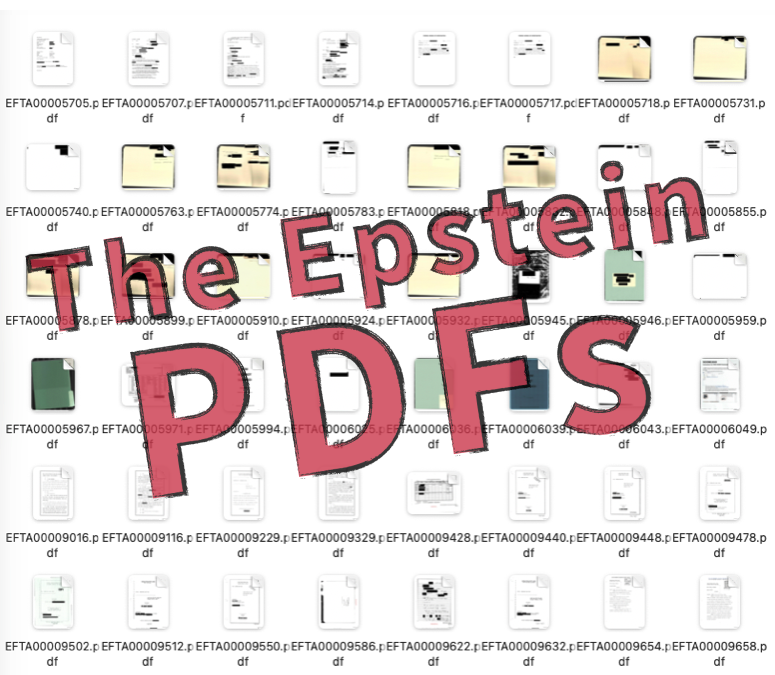
December 2025 by Peter Wyatt

We report on the technical aspects of the PDF files released by the US Department of Justice in connection with … Read more
News from the PDF Association
Announcements, publications, events and other updates.

February 2026 by PDF Association staff
Adobe has renewed its Standards Support Endowment for 2026, marking the 8th year of this program.
January 2026 by PDF Association staff
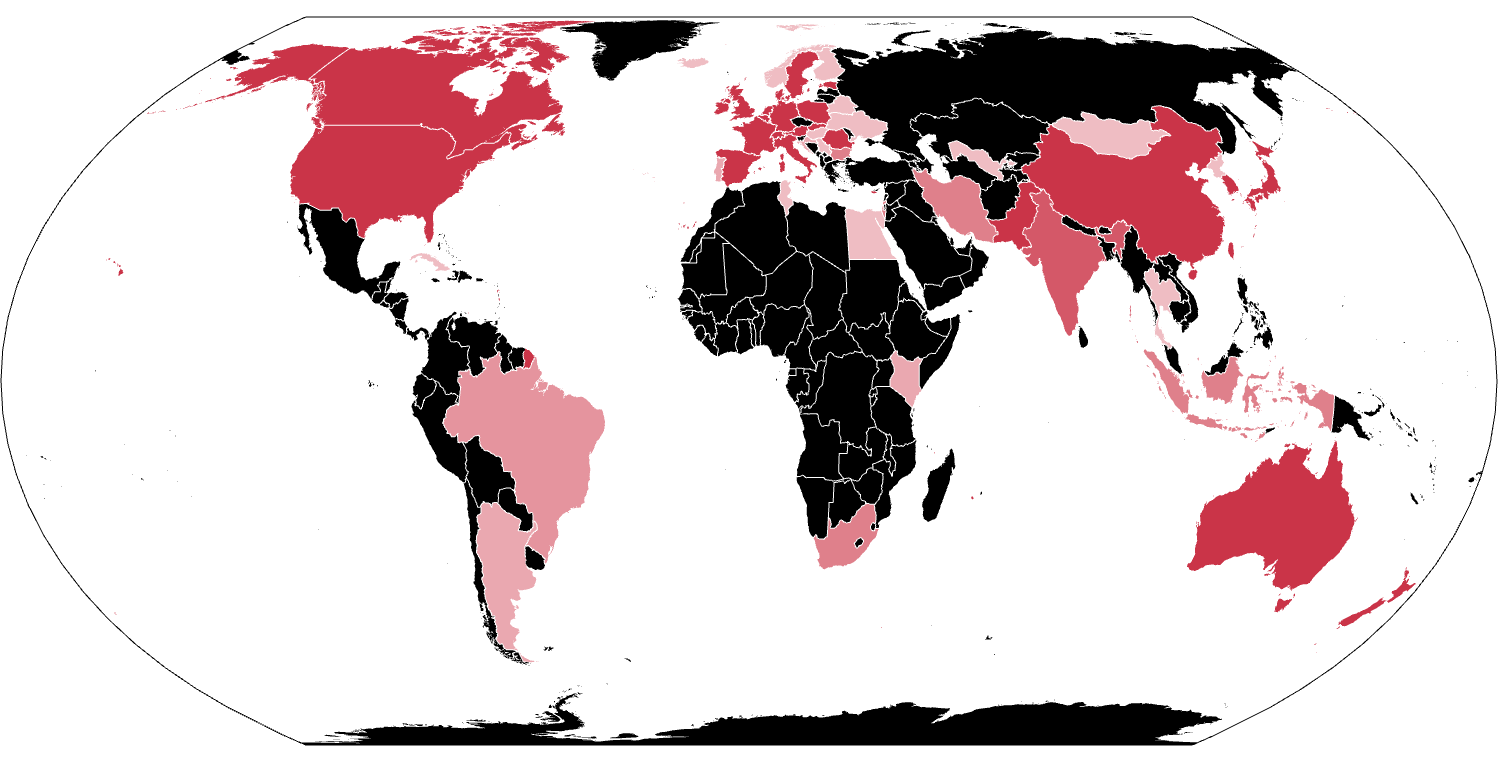
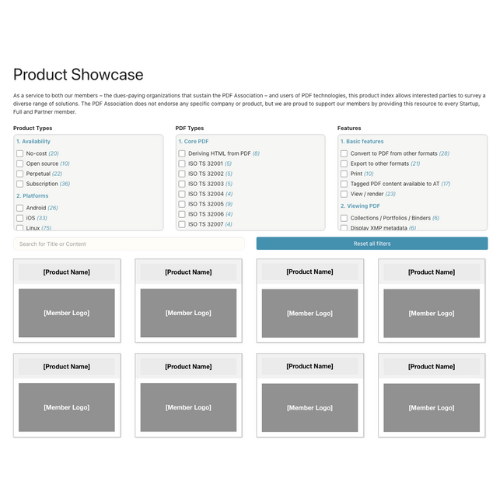
The new product showcase helps users explore the variety of products and services provided by PDF Association members!
News from PDF Association members
PDF Association members post updates on their software and services.

March 2026 by David van Driessche (callas software GmbH)

callas software today announced the appointment of Natacha De Kegel as Customer Success Manager for North America, effective March 1st, … Read more
March 2026 by iLovePDF

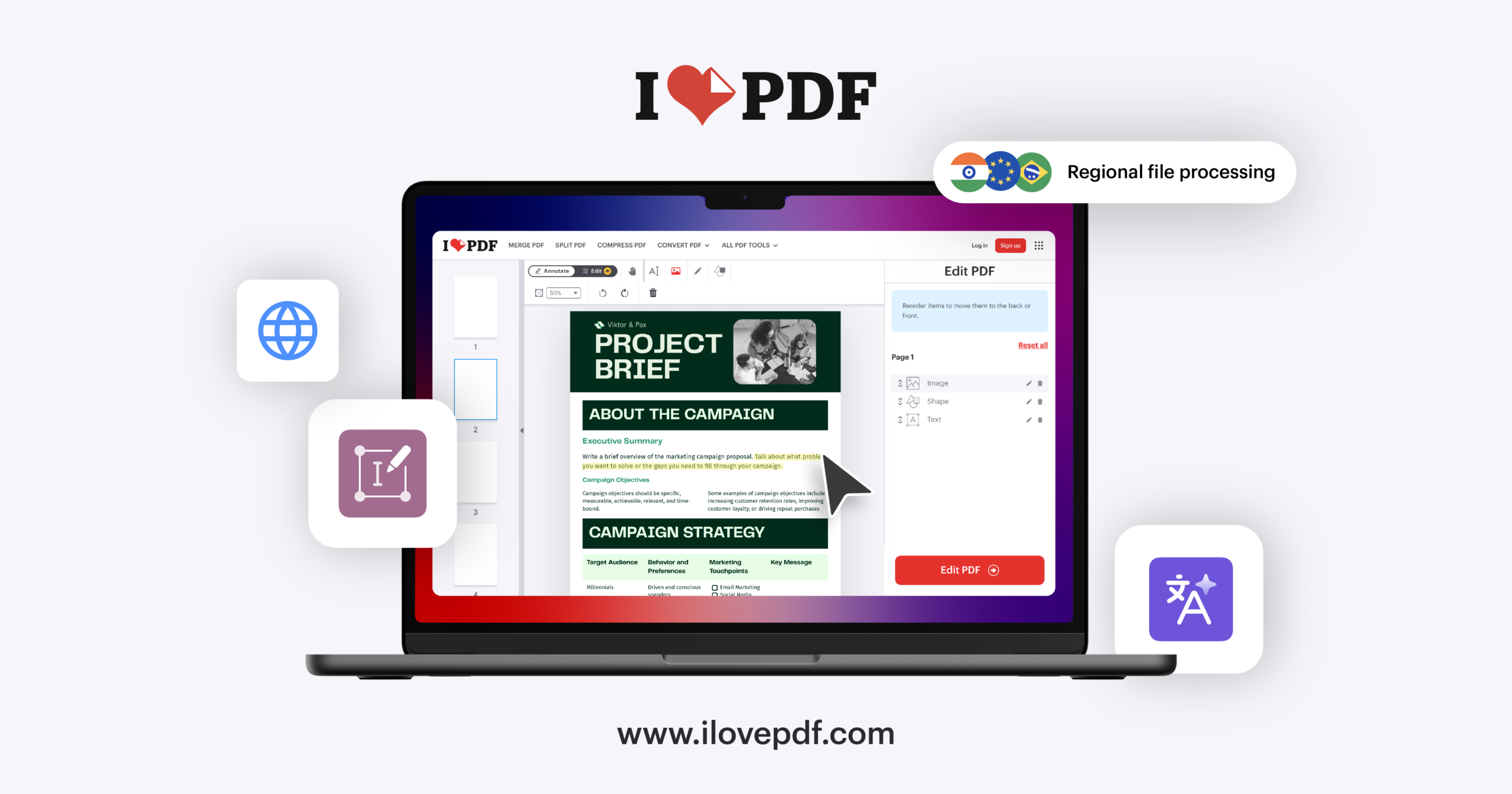
The newest iLovePDF update brings practical AI features, clearer admin controls, and performance improvements designed to make work simpler.


February 2026 by axes4 GmbH

Digital accessibility requires more than symbolic measures. This article explains why sustainable, standards-based solutions for accessible PDFs matter and what … Read more

PDF in the Wild
Our (occasionally lighthearted) monthly post covering items of interest to PDF’s technical community.
February 2026 by PDF Association staff
A PDF icon doesn’t mean that the link goes to a PDF | Register for PDF Week London | Save … Read more
November 2025 by PDF Association staff
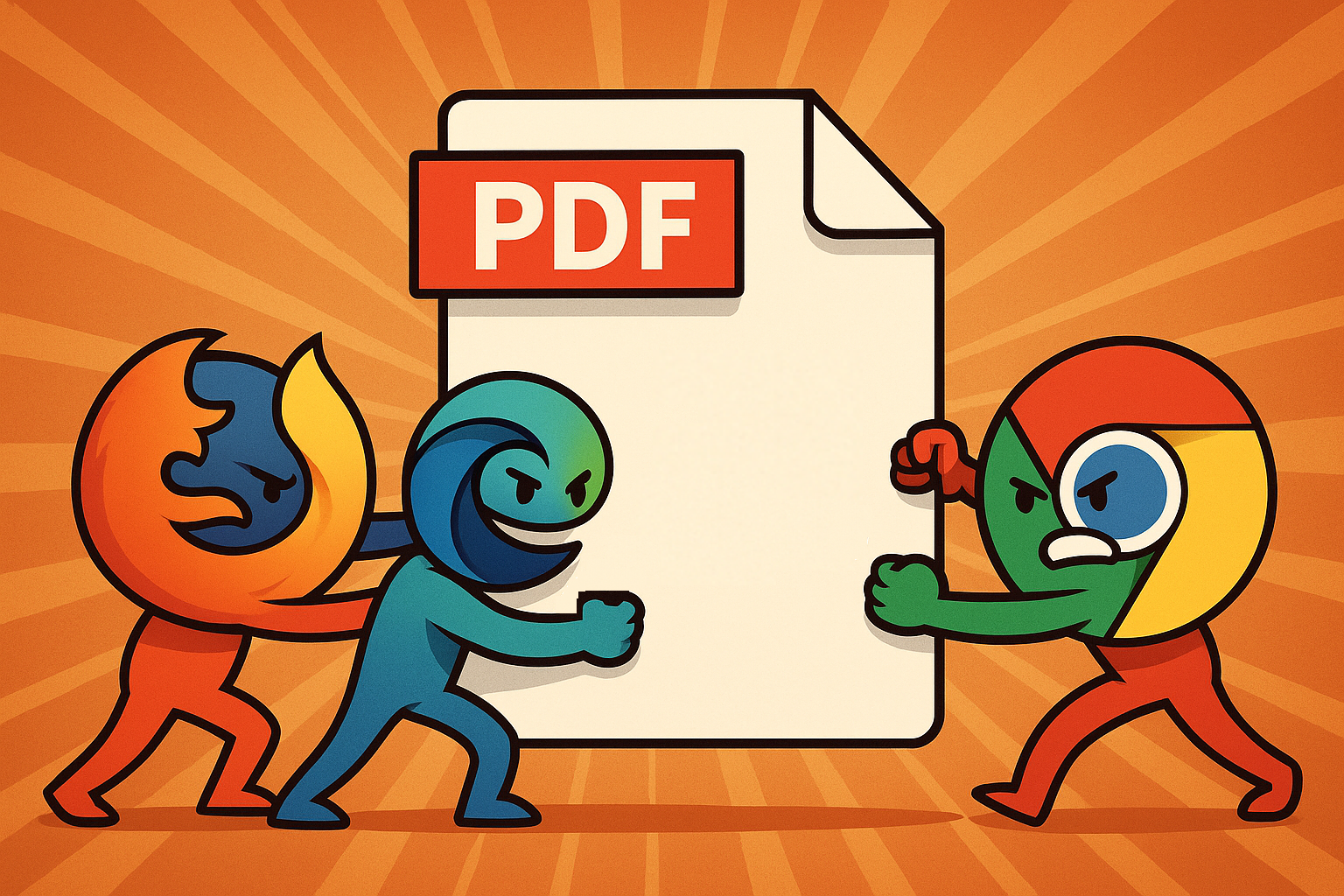
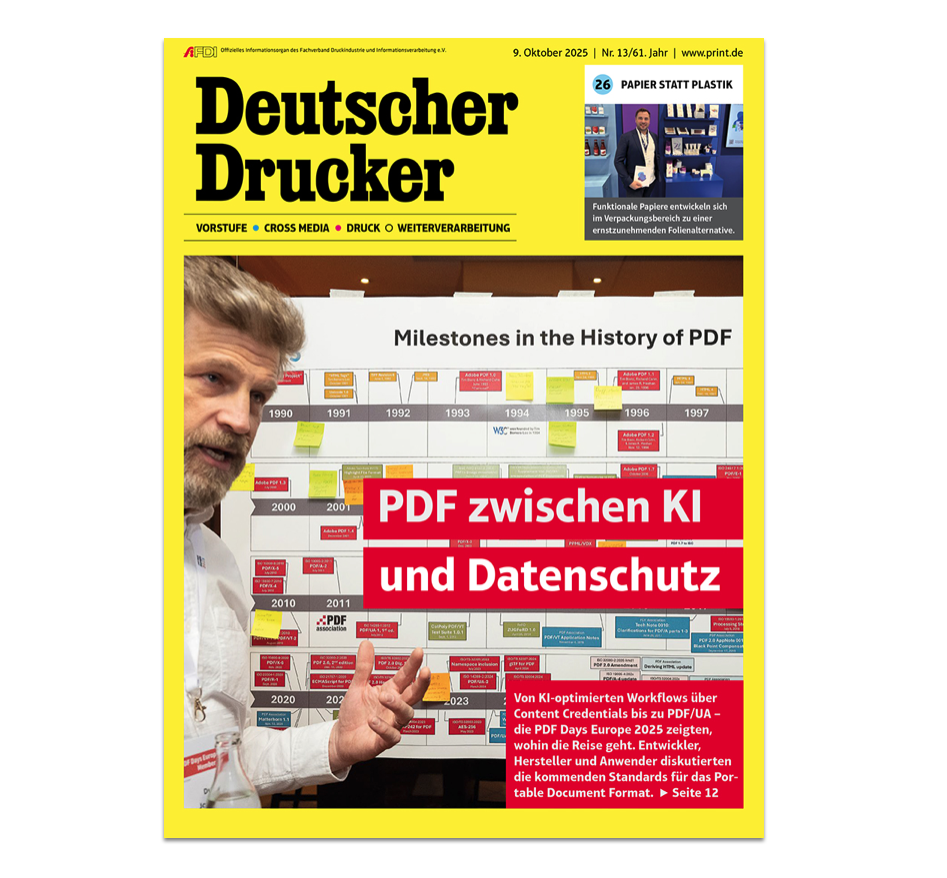
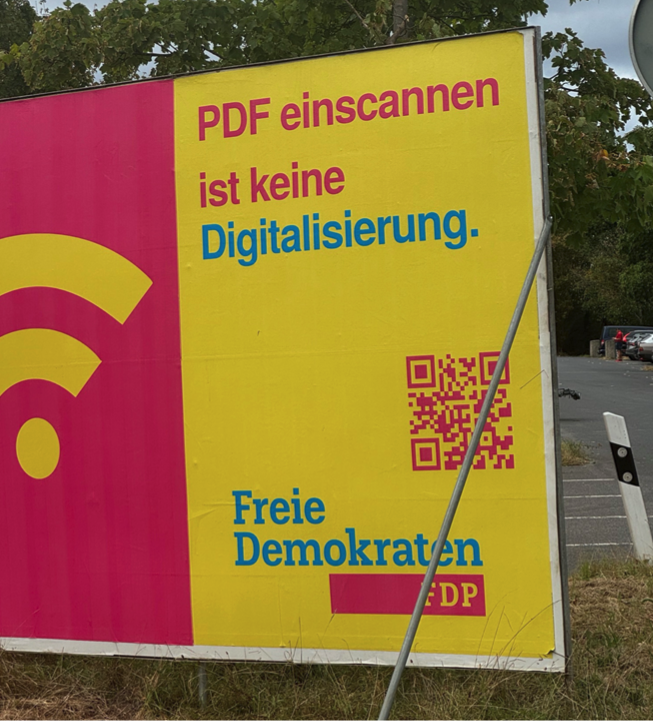
Browsers leverage PDF in their battle for dominance | Your PDF says a lot about you | Is Big Data … Read more
PDF Association news for members

January 2026 by PDF Association staff
The PDF Association is launching a new benefit specifically designed for Individual members.
May 2025 by PDF Association staff
Submit a Technical Poster to showcase your ideas at PDF Days Europe 2025!