



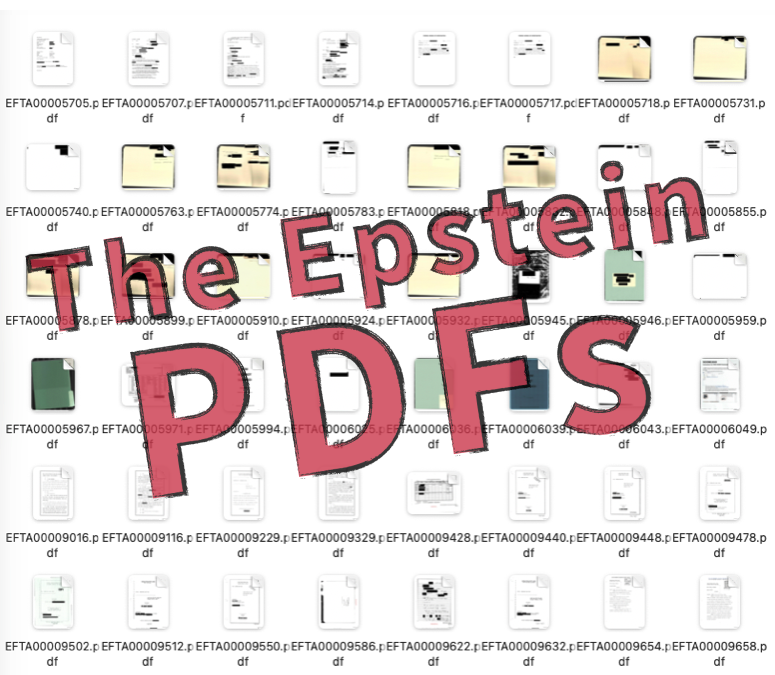
A case study in PDF forensics: The Epstein PDFs
This article details a PDF forensics case study on a small, random selection of the Epstein PDF files released by the US Department of Justice (DoJ). The tranche contains 4,085 PDF files, with an estimated 5,879 remaining unreleased. Key findings include:
- A difference in PDF version reporting between forensic tools.
- The presence of two incremental updates.
- The discovery of a hidden (orphaned) document information dictionary revealing the software used in processing.
- The DoJ avoided JPEG images to prevent metadata leakage.
- Overall, the DoJ’s sanitization workflow could be improved to reduce file size and information leakage.

A case study in PDF forensics: The Epstein PDFs
This article details a PDF forensics case study on a small, random selection of the Epstein PDF files released by the US Department of Justice (DoJ). The tranche contains 4,085 PDF files, with an estimated 5,879 remaining unreleased. Key findings include:
- A difference in PDF version reporting between forensic tools.
- The presence of two incremental updates.
- The discovery of a hidden (orphaned) document information dictionary revealing the software used in processing.
- The DoJ avoided JPEG images to prevent metadata leakage.
- Overall, the DoJ’s sanitization workflow could be improved to reduce file size and information leakage.
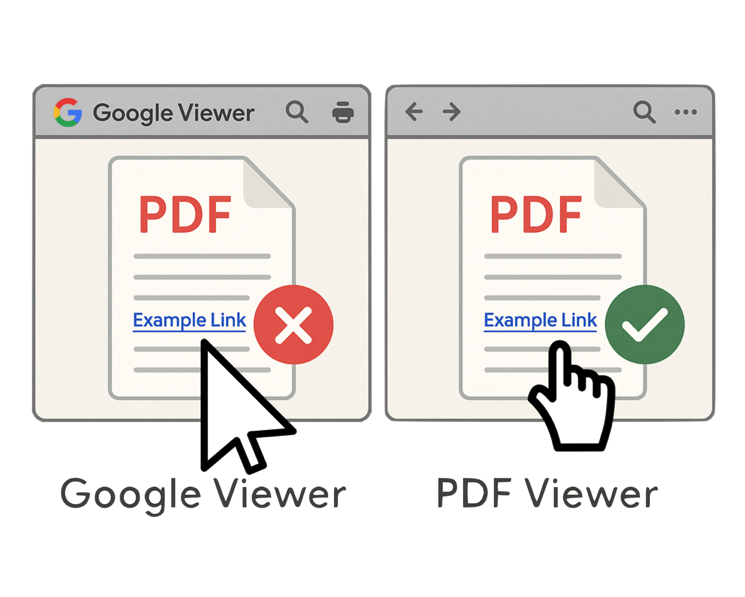
Google’s PDF preview fails, including with PDFs made by Google Docs!
We were asked to investigate non-functional internal document (intra-document) hyperlinks in PDFs stored on Google Drive and viewed with Google’s Preview. Here’s what we found.








June 2025 by Patrick Gallot (Datalogics)

This article explains the options in allowing, limiting, and/or preventing data scraping from occurring when AI and text data mining … Read more