



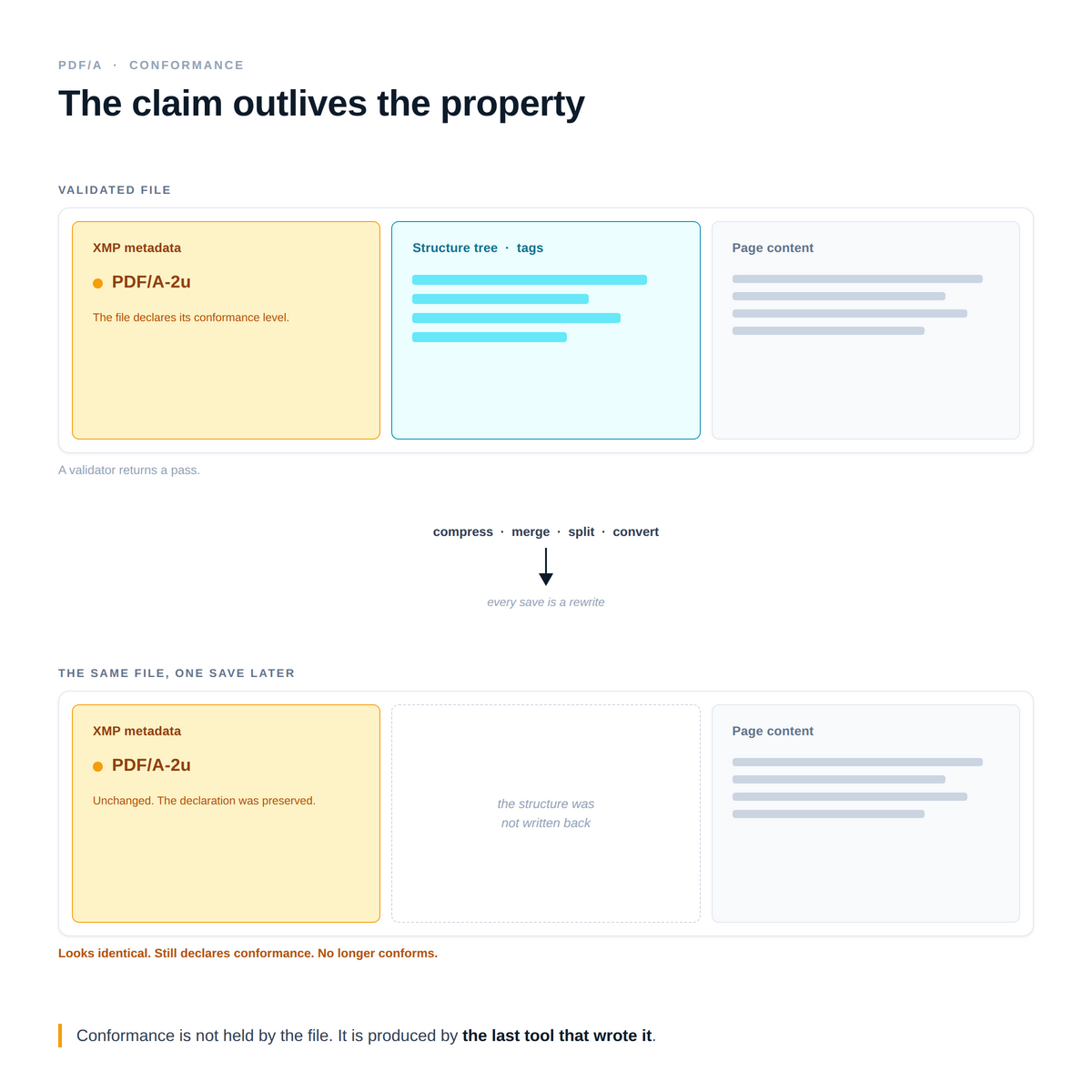
Every save rewrites a PDF. What usually survives an ordinary compress or merge is the XMP declaration, not the structure it describes: the file still claims PDF/A conformance it no longer has.


Every save rewrites a PDF. What usually survives an ordinary compress or merge is the XMP declaration, not the structure it describes: the file still claims PDF/A conformance it no longer has.
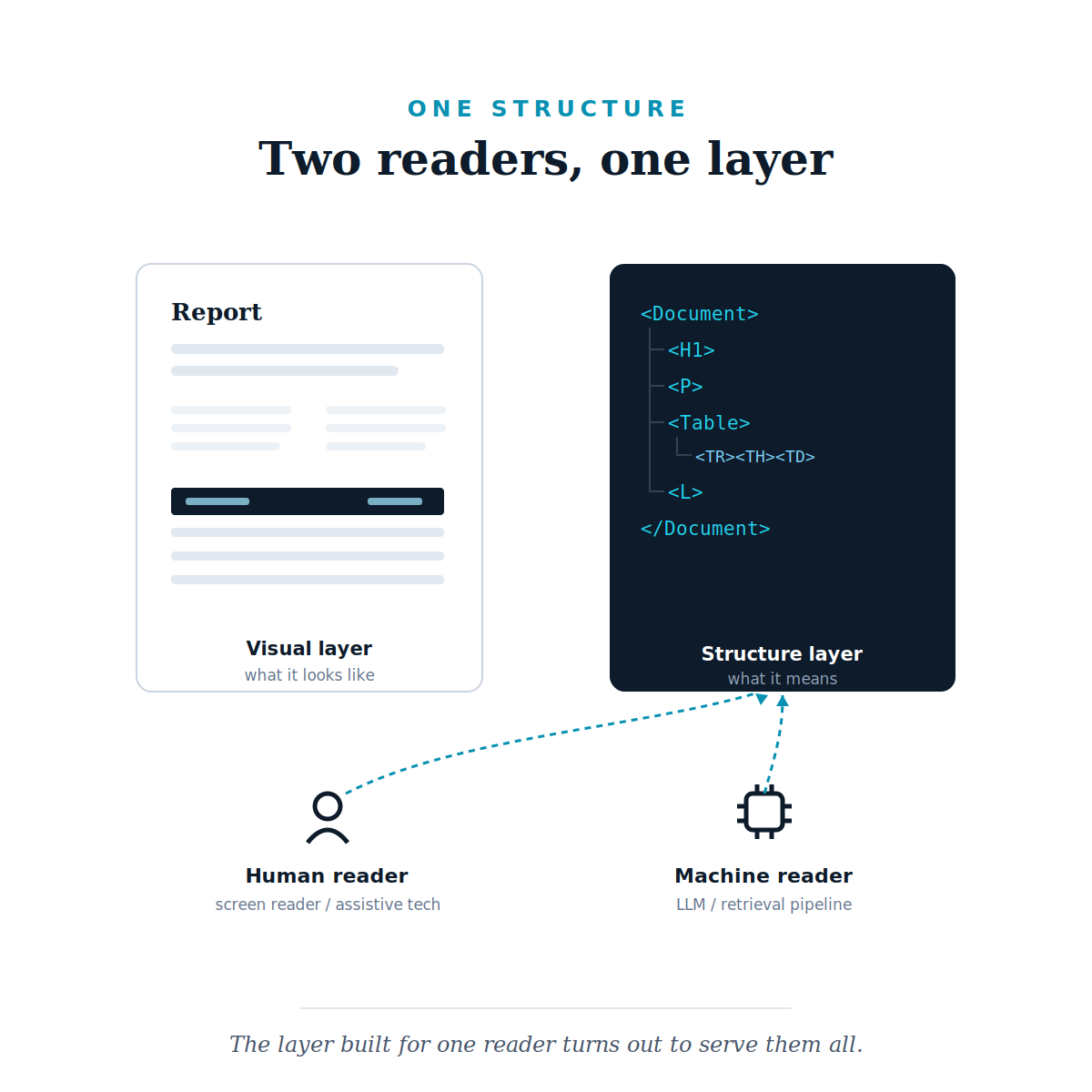
For twenty years, the logical structure inside a tagged PDF served one audience: assistive technology. Then the main reader of the world’s PDFs stopped being human, and it needs exactly what screen readers always did.
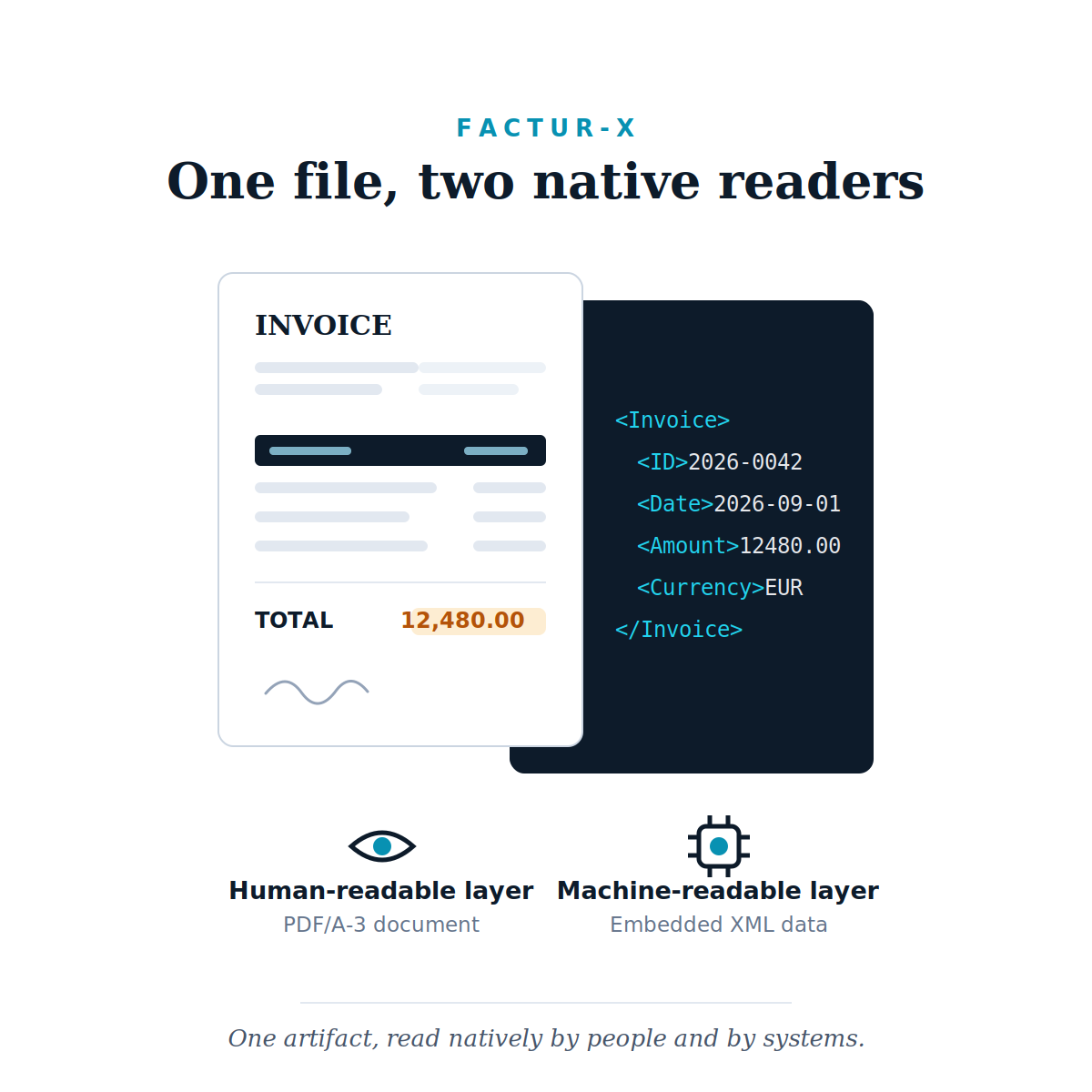
HMRC has confirmed the UK’s 2029 e-invoicing mandate will run on Peppol, with PDFs excluded by definition. Weeks from now, France’s mandate goes live with a hybrid PDF/A-3 format as a first-class citizen. Same term, two philosophies.
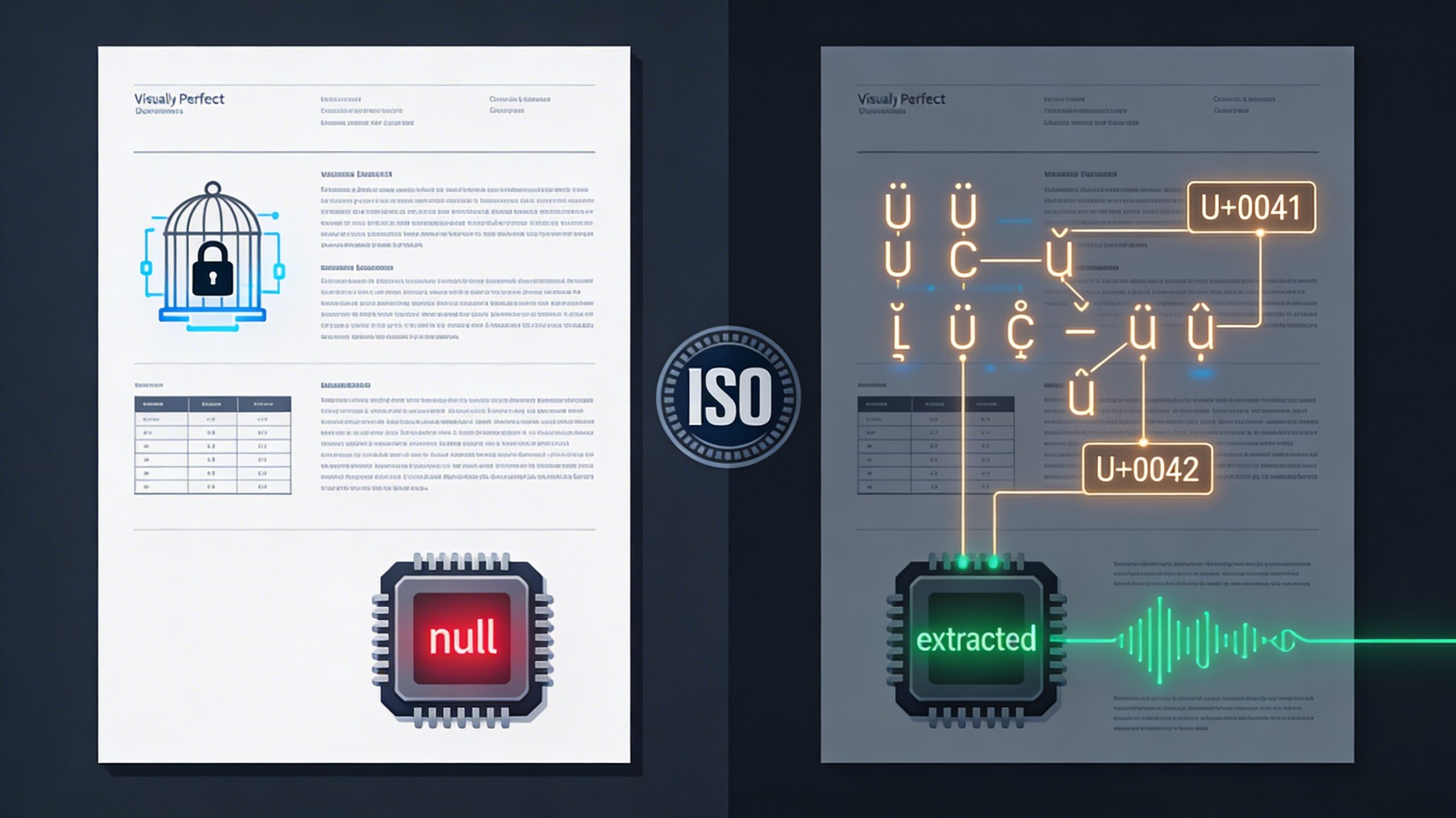
A document claiming conformance to PDF/A’s conformance level “b” can be visually perfect and machine-unreadable at the same time. This is not a bug — it is what the standard was designed to do. Understanding the difference between rendering a glyph and encoding a character is the first step to building archives that AI can actually use.
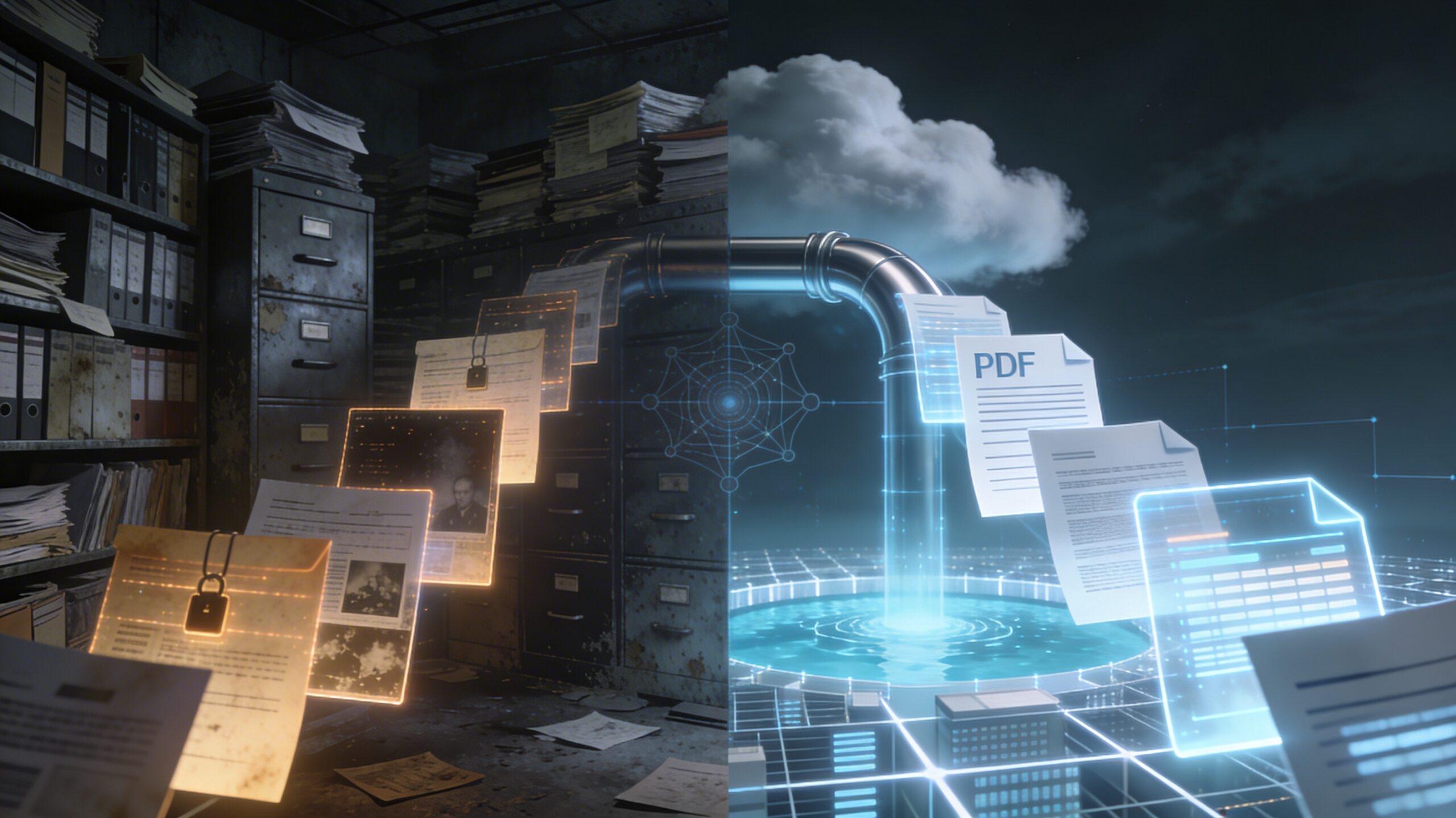
Most enterprise AI initiatives are failing not because of the model — but because of the document. This whitepaper examines why flat, image-based PDFs render corporate archives invisible to RAG pipelines and LLMs, and makes the operational case for cloud-native OCR, PDF/A-2u standardisation, and zero-trust document architecture as the three non-negotiable preconditions for an AI-ready data lake.