



A case study in PDF forensics: The Epstein PDFs
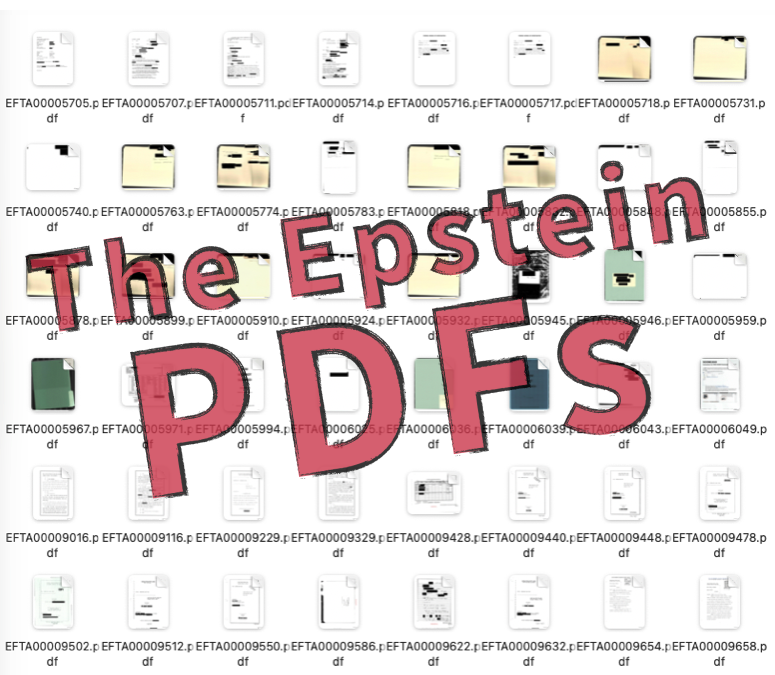
This article details a PDF forensics case study on a small, random selection of the Epstein PDF files released by the US Department of Justice (DoJ). The tranche contains 4,085 PDF files, with an estimated 5,879 remaining unreleased. Key findings include:
- A difference in PDF version reporting between forensic tools.
- The presence of two incremental updates.
- The discovery of a hidden (orphaned) document information dictionary revealing the software used in processing.
- The DoJ avoided JPEG images to prevent metadata leakage.
- Overall, the DoJ’s sanitization workflow could be improved to reduce file size and information leakage.

A case study in PDF forensics: The Epstein PDFs
This article details a PDF forensics case study on a small, random selection of the Epstein PDF files released by the US Department of Justice (DoJ). The tranche contains 4,085 PDF files, with an estimated 5,879 remaining unreleased. Key findings include:
- A difference in PDF version reporting between forensic tools.
- The presence of two incremental updates.
- The discovery of a hidden (orphaned) document information dictionary revealing the software used in processing.
- The DoJ avoided JPEG images to prevent metadata leakage.
- Overall, the DoJ’s sanitization workflow could be improved to reduce file size and information leakage.
Document management and the state of PDF support
When I’m not working for the PDF Association I still do some consulting in the document management space. Some recent conversations prompted me to revisit an assessment I wrote four … Read more


March 2019 by Dietrich von Seggern (callas software GmbH)

There are numerous tools on the market, including freeware, with which users can create PDFs. But are the results of … Read more


March 2019 by Duff Johnson
On February 25, 2019, researchers from Ruhr University Bochum and Hackmanit GmbH published pdf-insecurity.org, a detailed explanation of several vulnerabilities they … Read more