



(Re)aligning PDF/A and PDF/X
ArticleDecember 8, 2025
ArticleDecember 8, 2025

About Peter Wyatt, PDF Association
BUSINESS NOTE
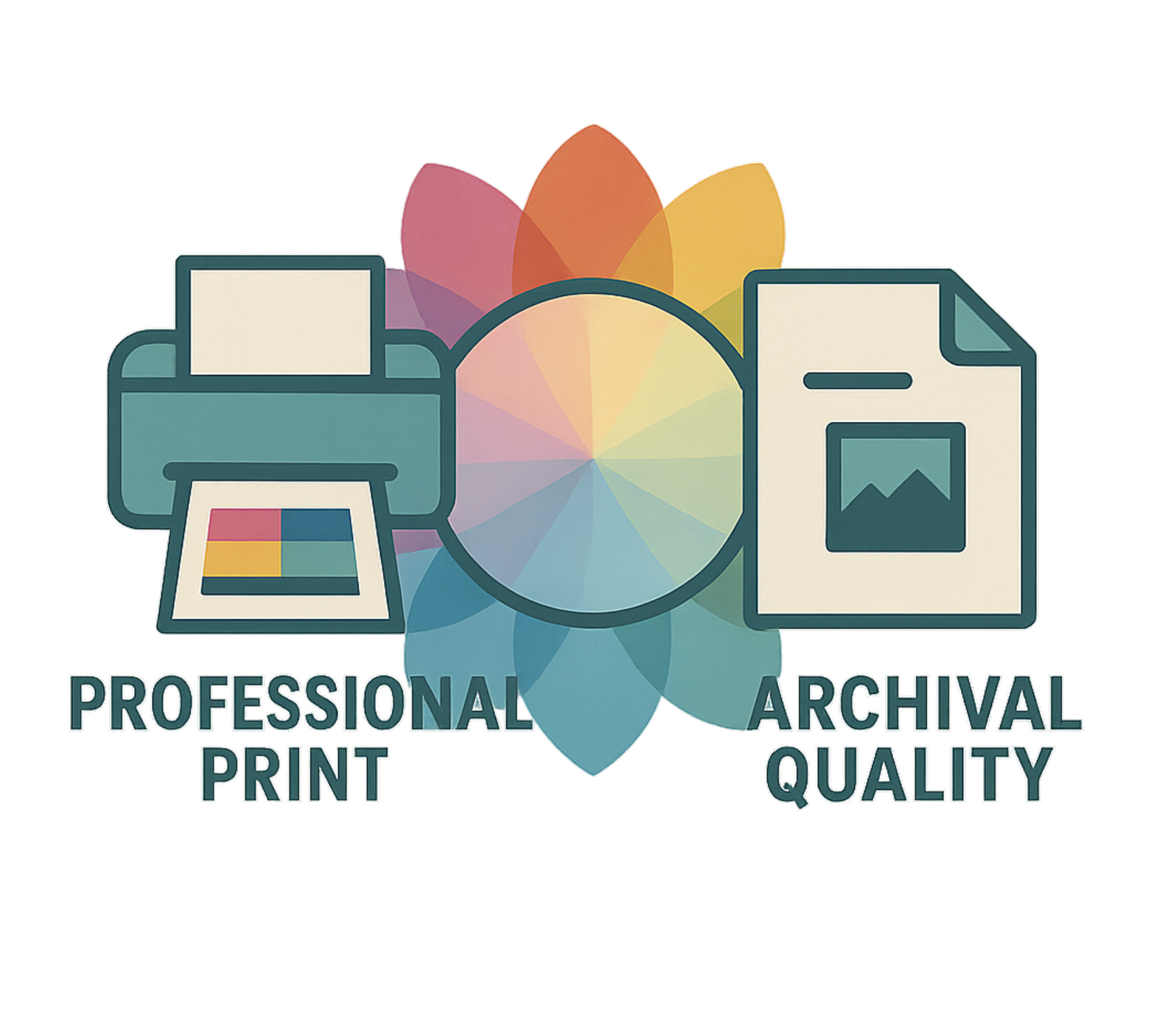
The transfer of PDF/X to ISO TC 171 SC 2, where it joins the other ISO standards for PDF already administered by the PDF Association, ensures common wording and coordination of technical requirements across PDF/A-4, PDF/X-6, and PDF/UA-2 standards, resulting in simpler implementations. The PDF/A-4 dated revision draft international standard is now available for public review.
Over the last few years, the ISO committees responsible for PDF/A and PDF/X have been independently advancing dated revisions of PDF/A-4 (ISO 19005-4:2020) and PDF/X-6 (ISO 15930-9:2020). This was mainly due to an effort to fully align common technical requirements across PDF/A-4, PDF/X-6, and PDF/UA-2 (ISO 14289:2024) by using the exact same wording for requirements wherever possible, as well as addressing some errata.
Under the one roof
Following organizational changes in 2025, the three most significant ISO standardized subsets of PDF – PDF/A, PDF/X, and PDF/UA – are now managed by a single ISO subcommittee (SC): ISO TC 171 SC 2 “Document file formats, EDMS systems and authenticity of information”. The PDF Association administers the secretariat for ISO TC 171 SC 2 on behalf of ANSI.
This consolidation ensures that technical wording is harmonized across the three most significant PDF standards, that communication between all working groups is more efficient, and that document development timelines can be synchronised and shortened. Other barriers are reduced, as subject matter experts can now attend a single set of ISO TC 171 SC 2 meetings to contribute to any or all of these key PDF standards, while having all stakeholders involved in a single set of meetings ensures that alternate viewpoints can be discussed and consensus can be more easily achieved.
Prior to consolidation in TC 171 SC 2, the PDF Association organized and hosted dedicated virtual meetings to bring together PDF/A and PDF/X experts from across multiple TCs. However, independent ISO processes within each TC resulted in delayed deadlines, independent schedules, meeting conflicts, oscillating wording between the different sets of stakeholders, a lack of common understanding, and other inefficiencies in synchronizing these important PDF standards. All these issues are now overcome through the consolidation.
TC 171 SC 2 new structure
TC 171 SC 2’s PDF-related Working Groups are organized as follows:
| Working Group | Official Title | Core responsibilities |
| WG 5 | Joint TC 171/SC 2 – TC 42 – TC 46/SC 11 – TC 130 WG: Document management applications – Application issues – PDF/A | PDF/A (ISO 19005 series) |
| WG 7 | PDF/Engineering | PDF/E, ECMAScript for PDF, and 3D PDF support. |
| WG 8 | PDF specification | The core PDF specification (ISO 32000), errata, and formal extensions to core PDF. |
| WG 9 | PDF universal accessibility | PDF/UA (ISO 14289 series) |
| WG 12 | Metadata | XMP (ISO 16684 series) |
| WG 13 | Content Provenance | C2PA and content authenticity support in PDF. |
| JWG 14 | Joint ISO/TC 171/SC 2 – ISO/TC 130 working group: Graphic art | PDF/X (ISO 15930 series) |
Stakeholder engagement
As is apparent from the official titles of WG 5 and JWG 14 above, some TC 171 SC 2 working groups are “joint” with other ISO technical committees (TCs) to ensure that key stakeholder “end user” input is considered:
- WG 5 collaborates with several other ISO TCs on PDF/A:
- JWG 14 collaborates with TC 130 “Graphic technology” on PDF/X:
- Specifically, TC 130 WG 2 “Prepress data exchange”, where PDF/VT (ISO 16612), PDF/VCR (ISO 16613), Print Product Metadata (ISO 21812), and Processing Steps (ISO 19593) continue to be developed and maintained.
As a result of this consolidation and the PDF Association’s keen awareness of the need for broad stakeholder input, the PDF/A-4 dated revision DIS has been distributed as a 12-week ballot to TC 171 SC 2, TC 42, and TC 46 SC 11 experts. Other stakeholders not participating in ISO may also purchase the public Draft International Standard (DIS) from ISO for review and can provide comments via their national body or a liaison organization. The DIS ballot – the last real opportunity for changes prior to publication – closes early in 2026.
Although the dated revision of PDF/X-6 has not reached its DIS stage, it is progressing quickly and will be kept fully aligned with the final publication wording of the dated revision of PDF/A-4. When PDF/X-6 reaches the equivalent DIS stage, TC 171 SC 2 and TC 130 experts, as well as other public stakeholders, will have a similar opportunity to review the draft wording.
The PDF Association actively maintains a summary of the status of ISO publications related to PDF.
How we maintain alignment and ensure accessibility
The PDF Association’s chosen mechanism to facilitate the synchronization of technical requirements is the AsciiDoc-based Metanorma publishing suite, together with GitHub for detailed version control.
The Metanorma publishing system generates final form ISO publication documents that are both fully accessible (by conforming to PDF/UA) and archival (by conforming to PDF/A), providing additional benefits to all users.
Unfortunately, ISO’s current internal systems remove PDF/UA and PDF/A conformance indicators and delete Tagged PDF data from in-process documents. As a result, the current public draft of PDF/A-4’s upcoming dated revision is not reliably accessible or navigable for users who require assistive technology. To address this limitation, ISO recently granted the PDF Association and ISO TC 171 SC 2 a derogation allowing us to distribute drafts in tagged (and thus accessible) PDF files, and to provide the publication PDF file for final ISO publications, enabling high-quality, fully accessible ISO publications that conform to both PDF/UA and PDF/A.
PDF/A-4 Level F conformance
One of the more significant updates in the latest draft dated revision of PDF/A-4 is that embedded files of specific types no longer require Level F conformance:
- PDF/A-1 and PDF/A-2 files (as has always been the case in PDF/A-2, PDF/A-3, and PDF/A-4)
- RELAX NG files as recommended by PDF/A-4 for custom metadata schema definitions
- MathML files when added for accessibility purposes
- C2PA content credential manifests
For stakeholders interested in this change, please review the publicly available PDF/A-4 DIS and provide feedback.
Conclusion
With the recent consolidation of PDF/A, PDF/X, and PDF/UA under TC 171 SC 2, the PDF Association is working to ensure that all stakeholder groups are informed and have an opportunity to contribute. Within the ISO model, the Draft International Standard stage is when draft publications become both publicly available and available to ballot by joint TCs. Ensuring that more experts can undertake a detailed review of a draft standard prior to publication helps to ensure clarity and correctness in wording before publications are finalized.
Perhaps most importantly, assured harmonization of ISO standardized subsets for PDF reduces software development complexity with each new release. Engineers will soon read the exact same wording across multiple standards, reducing ambiguity if different wording was intentional and hiding subtle technical differences. As a result, it will soon be easier than ever to ensure that a single PDF 2.0 document simultaneously conforms to PDF/A-4, PDF/X-6, and PDF/UA-2.
